Write down the BOM
We capture the bills of materials you already use, including the levels that today live in a supervisor's head.
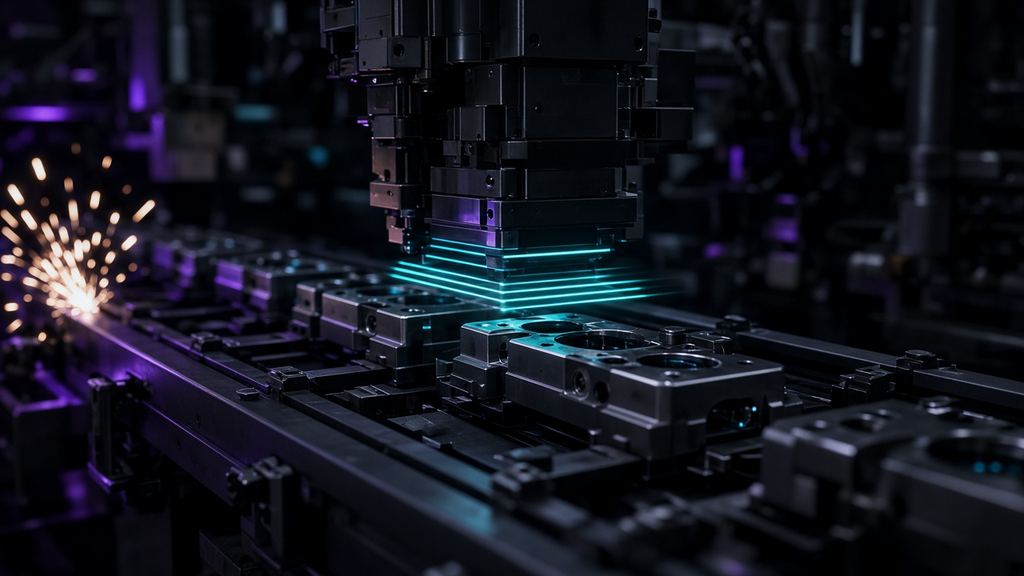
If you cannot say what a production order really cost, the price you quote is a guess. This module closes that gap.
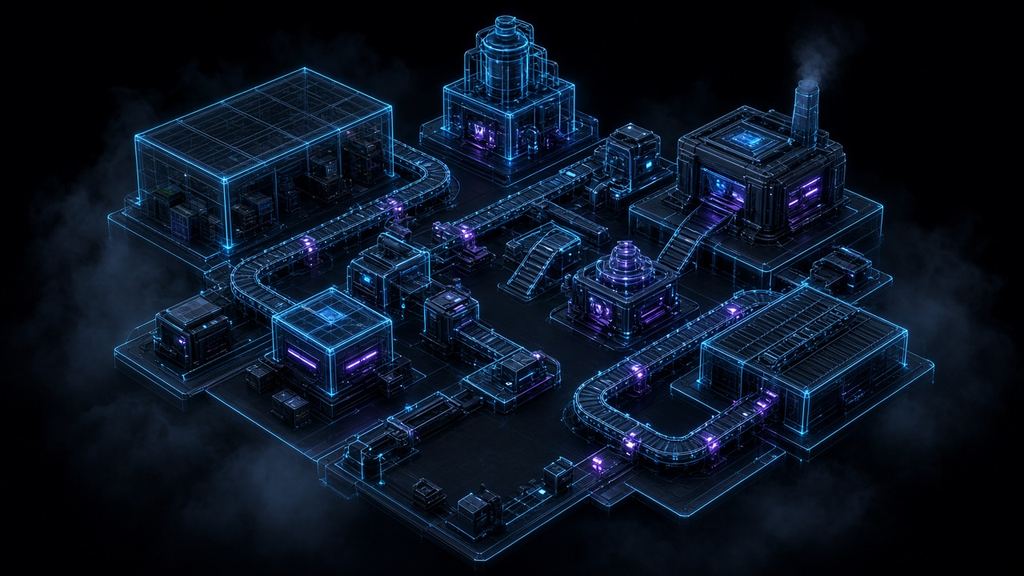
Quoting stops being intuition. With per-order costing you know which products carry the margin and which ones you are subsidizing. That single number usually pays for the project.
Manufacturers that already know their BOM on paper but cannot answer what a specific order cost. If quoting depends on the experience of one person, the module turns that experience into a calculation anyone can repeat.
Two places, usually within the first quarter: you stop quoting below cost on the products that quietly lose money, and you stop carrying inventory for orders that no longer exist. Both are visible the first time you close a period with real per-order numbers.
Production consumes inventory and writes back finished goods, so stock and cost stay aligned without a second entry. Quality checkpoints attach to the work order, and lot traceability follows the material from receipt to shipment — the answer a demanding client or an auditor will eventually ask for.
Because it runs on the same system as purchasing and invoicing, the cost of an order is not reconstructed at month end; it is known while the order is still open.
The manufacturing module is +$1,200 USD on top of any NEOS tier, which start at $7,500 USD. One-time payment; the annual fee from year two covers server, backups, support and maintenance.
Your product list with the bills of materials you use today, the routing of your main processes, and the quality checkpoints that already exist on paper. If your BOM lives in the head of one supervisor, part of the diagnostic is writing it down once, in a format the system can calculate.
Cost accuracy per order against the previous estimate, the share of orders that need a manual correction, and the difference between quoted and realized margin. The third number is usually the one that changes how you price.
Generic packages assume a standard plant and a standard flow. If your routing, your quality checkpoints or your cost structure are specific, you either pay consultants to bend the package or you change how you work to fit it. Building around your flow avoids both.
We capture the bills of materials you already use, including the levels that today live in a supervisor's head.
The steps a product goes through, with the checkpoints that already exist on paper.
From release to completion, with real material and labor consumption recorded.
Every order closes with its actual cost, available while the order is still open.
| Design X AI (custom) | Per-user SaaS | |
|---|---|---|
| Quoting | From real cost per product | From experience and habit |
| Margin | Known by product and by order | Averaged at year end |
| Waste | Visible while the order runs | Discovered in the next audit |
| Quality | Checkpoints attached to the work order | Paper forms and clipboards |
| Traceability | Lot from input to finished goods | Reconstructed after a complaint |
| Inventory | Consumption and finished goods update stock | A second entry, later |
+$1,200 USD on top of the NEOS tier, which starts at $7,500 USD. One-time payment.
Yes, multi-level bills of materials are included.
Yes. Per-order costing with real consumption is the core of the module.
Yes, quality checkpoints and lot traceability are included.
Yes. Consumption and finished goods are written back to the same inventory the rest of the ERP uses.
Yes. A parallel run during stabilization is normal and helps the team trust the numbers.
Tell us how prospects currently arrive and where they get lost. We return a fixed-scope proposal with no commitment.