Load the budget
The line-item budget you already work with, by chapter and concept.

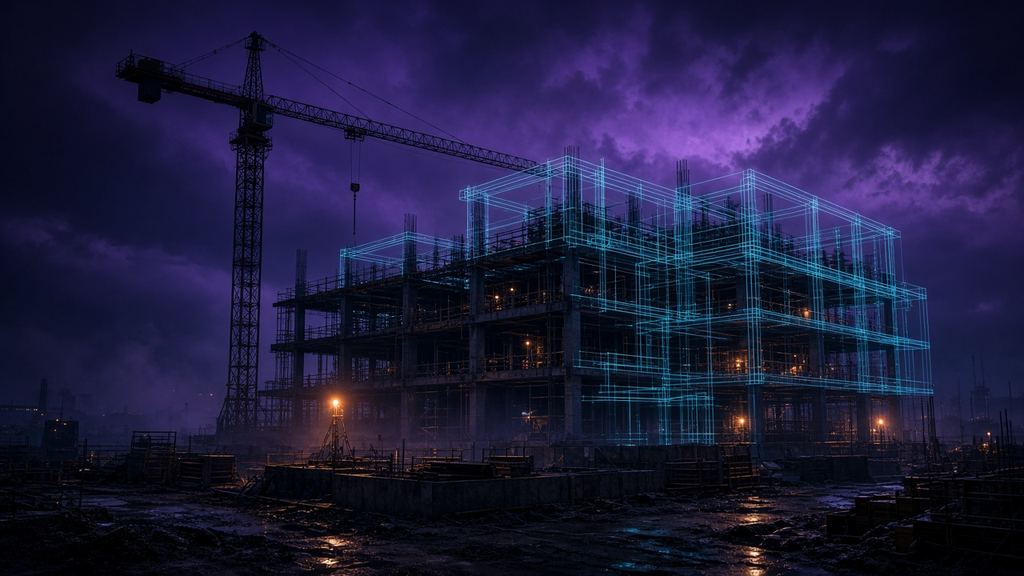
A construction project can be profitable on paper and lose money in the field. This module makes budget, contract and progress talk to the same numbers.
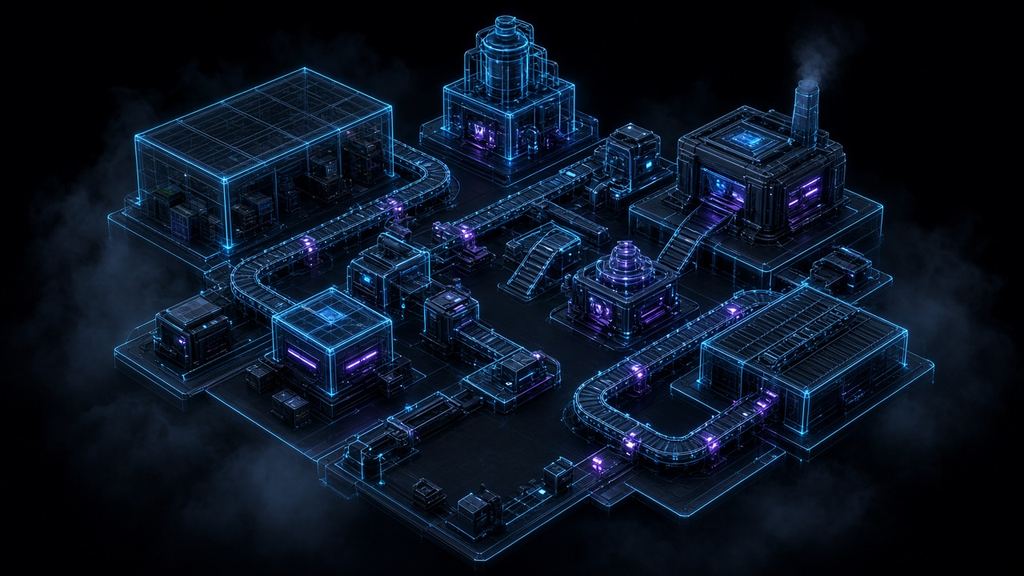
Construction has a problem general ERPs handle badly: the same project is measured in two different worlds. The field measures physical progress; the office measures money. When those two do not line up, the difference is discovered at closing, which is the worst possible moment.
Contractors and developers running several sites at once, where materials move between projects and the estimate depends on a spreadsheet nobody fully trusts.
Each site has its own warehouse, so purchasing delivers to a project and consumption is charged to it. Costs land on the budget line as they happen, and certified estimates are built from recorded progress rather than reconstructed at month end.
The construction module is +$1,200 USD on top of any NEOS tier, which start at $7,500 USD. One-time payment; the annual fee from year two covers server, backups, support and maintenance.
A model budget, your contract templates, the retainage rules you apply, and the list of active sites. If the budget lives in a spreadsheet, we use it as the starting structure instead of inventing one.
Subcontracts attach to the project with their own retainage and payment schedule, so the cost of each site is complete instead of split between your own crews and everyone you hired. When the estimate is certified, you can see what was executed directly and what came from a subcontractor, on the same line.
It does not design, plan or schedule the construction — that is your technical team's work. It controls the money and the materials around that plan: budget, contracts, progress, site warehouse and certification. The engineering stays with the people who do it.
In practice, the loss rarely comes from one dramatic mistake. It comes from materials that moved between sites without a record, from a budget line quietly overspent, and from retainage nobody tracked. Making each of those visible is what turns a project from a hopeful closing into a controlled one.
Your residentes and project managers keep running the site; the module answers the office questions they currently answer by phone. Progress is captured where it happens and the certified estimate is built from it, so nobody spends the last week of the month reconstructing what already occurred.
The line-item budget you already work with, by chapter and concept.
Client contracts, subcontracts and the payment schedule that goes with them.
Physical progress in the field against the financial progress in the budget.
A per-site warehouse so materials are consumed where they were sent.
| Design X AI (custom) | Per-user SaaS | |
|---|---|---|
| Budget | Line-item, updated with every movement | A master sheet that ages |
| Contracts | Attached with retainage and schedules | In a folder or an inbox |
| Progress | Physical vs financial in the same view | Two versions that disagree |
| Materials | Per-site warehouse and consumption | A global pile nobody counts |
| Estimates | Built from recorded progress | Rebuilt by hand each month |
| Margin | Visible while the project runs | Calculated after it ends |
+$1,200 USD on top of the NEOS tier, which starts at $7,500 USD. One-time payment.
Yes. Each site has its own warehouse, budget and progress tracking.
Yes, retainage on contracts and subcontracts is included.
Yes. Both progress measures live in the same view, which is where the surprises usually hide.
Yes. Estimates are built from recorded progress instead of being rebuilt by hand.
No. It controls the executing project; the initial estimate can come from whatever tool you already use.
Tell us how prospects currently arrive and where they get lost. We return a fixed-scope proposal with no commitment.